Pleya
The management platform for Italian service companies.
01 The context
Pleya wasn't born to be sold. It was born because at Contech we used five tools that didn't talk to each other: one system for invoices, Excel for projects, WhatsApp for tickets, a portal for the bank, paper for field reports. Every piece of data was rewritten three times, and every rewrite was a chance to get it wrong.
So I did what I do when a problem shows up every week: I stopped waiting for someone else to solve it and built it. Today Pleya is in real use at an Italian service company since 2026, with the opening to external companies planned for September 2026. The data lives in the EU, in Frankfurt.
02 The choices, and the reasons
Multi-tenant from day one
Adding multi-tenancy to an existing platform costs ten times as much. Pleya is born multi-tenant and white-label: every service company gets isolated data, its own configuration, its own look.
Native SDI, not a plugin
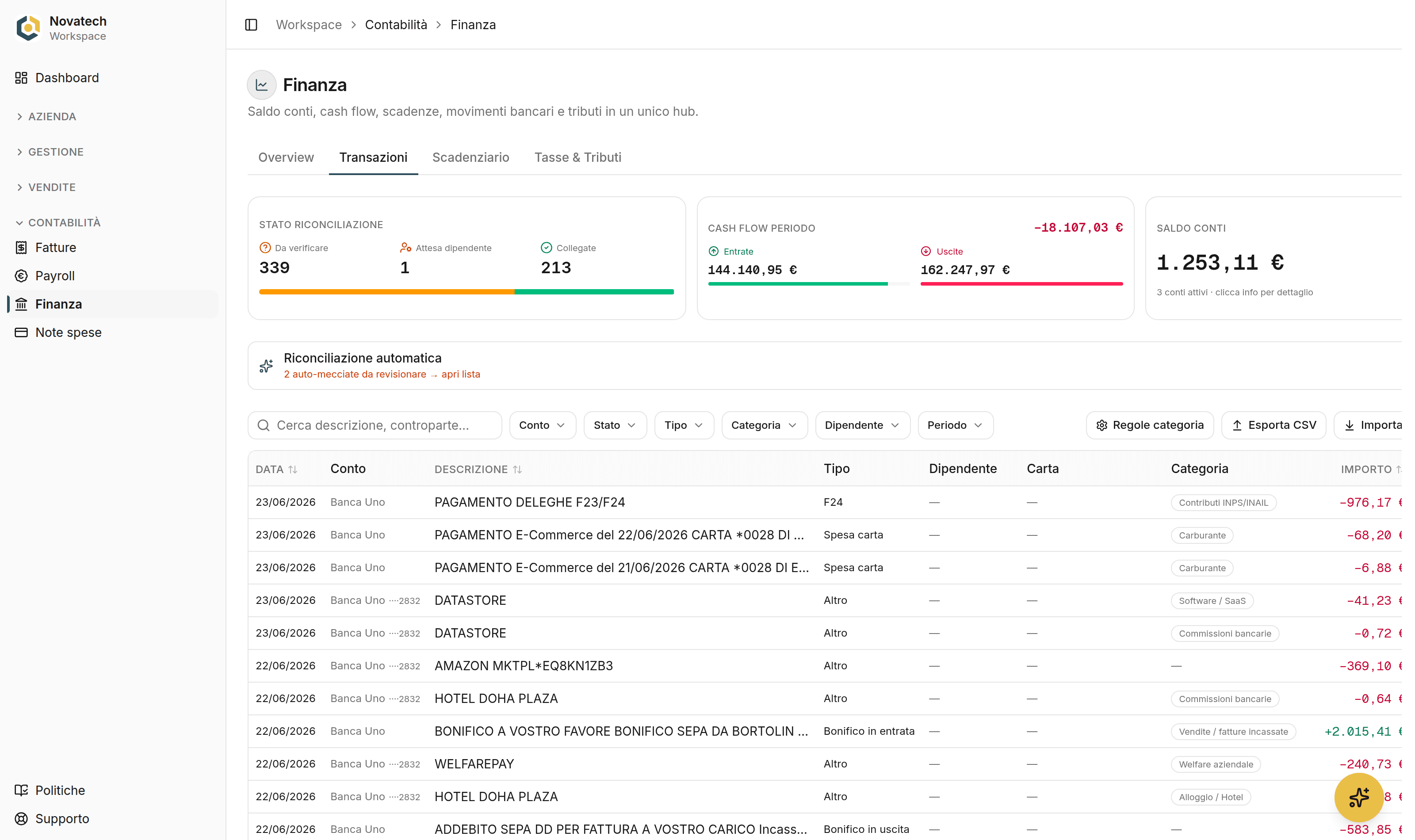
Issuing, sending, receiving receipts and legally compliant storage live inside the product. It's the part nobody wants to build, and it decides whether an Italian management platform is real or fake. Delegating it to a third-party plugin means delegating the moment something goes wrong, too.
One place for every piece of data
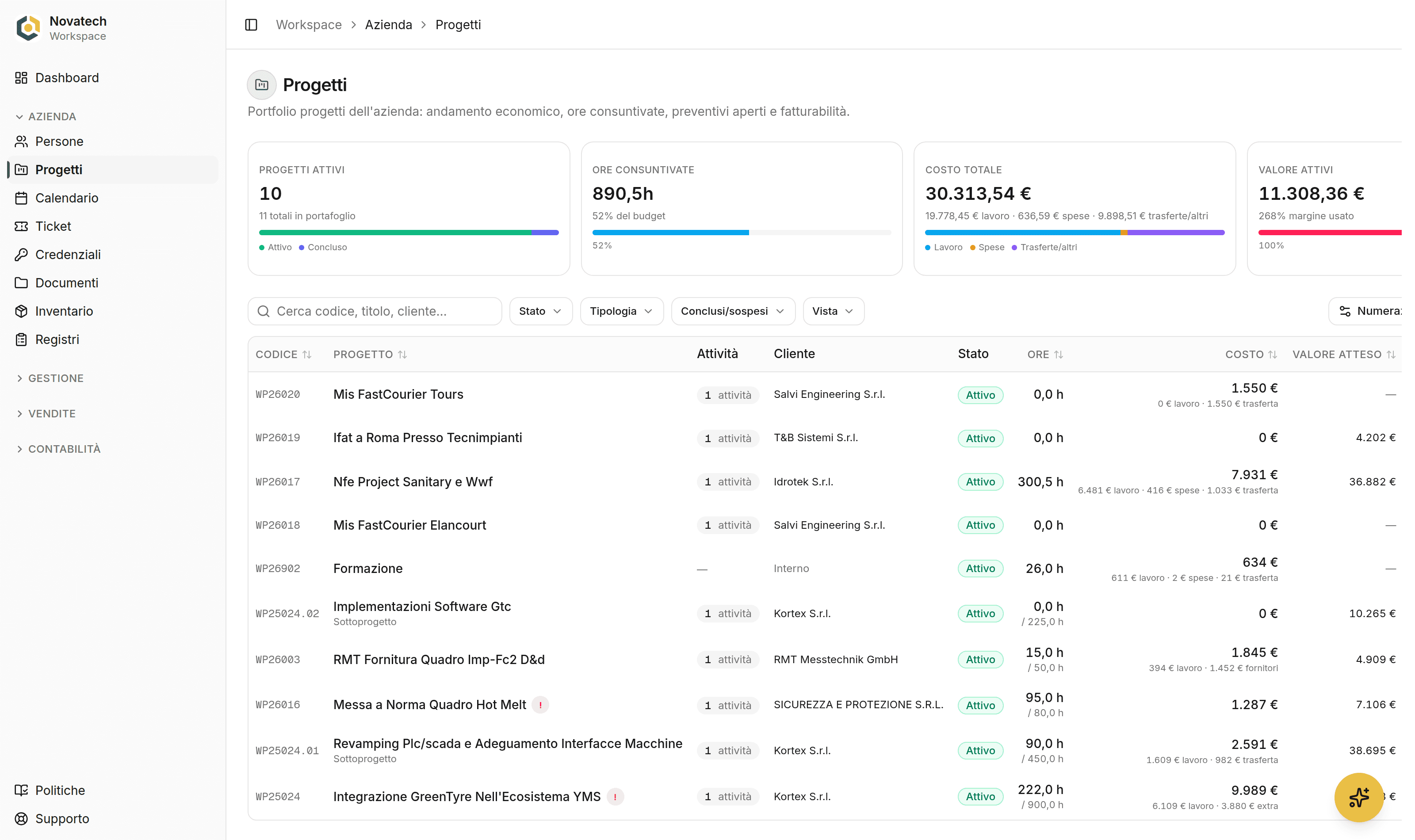
Contacts, projects, hours, quotes with electronic signature, HR, ticketing, banking with automatic reconciliation, an AI assistant: every piece of information enters once and is reused wherever it's needed. That was the original problem, and it's the yardstick for every new feature.
The stack I know by heart
Next.js, TypeScript, Postgres, Supabase, Vercel. The same stack as my other products: fewer surprises, versioned migrations, identical production and preview environments.
03 The product
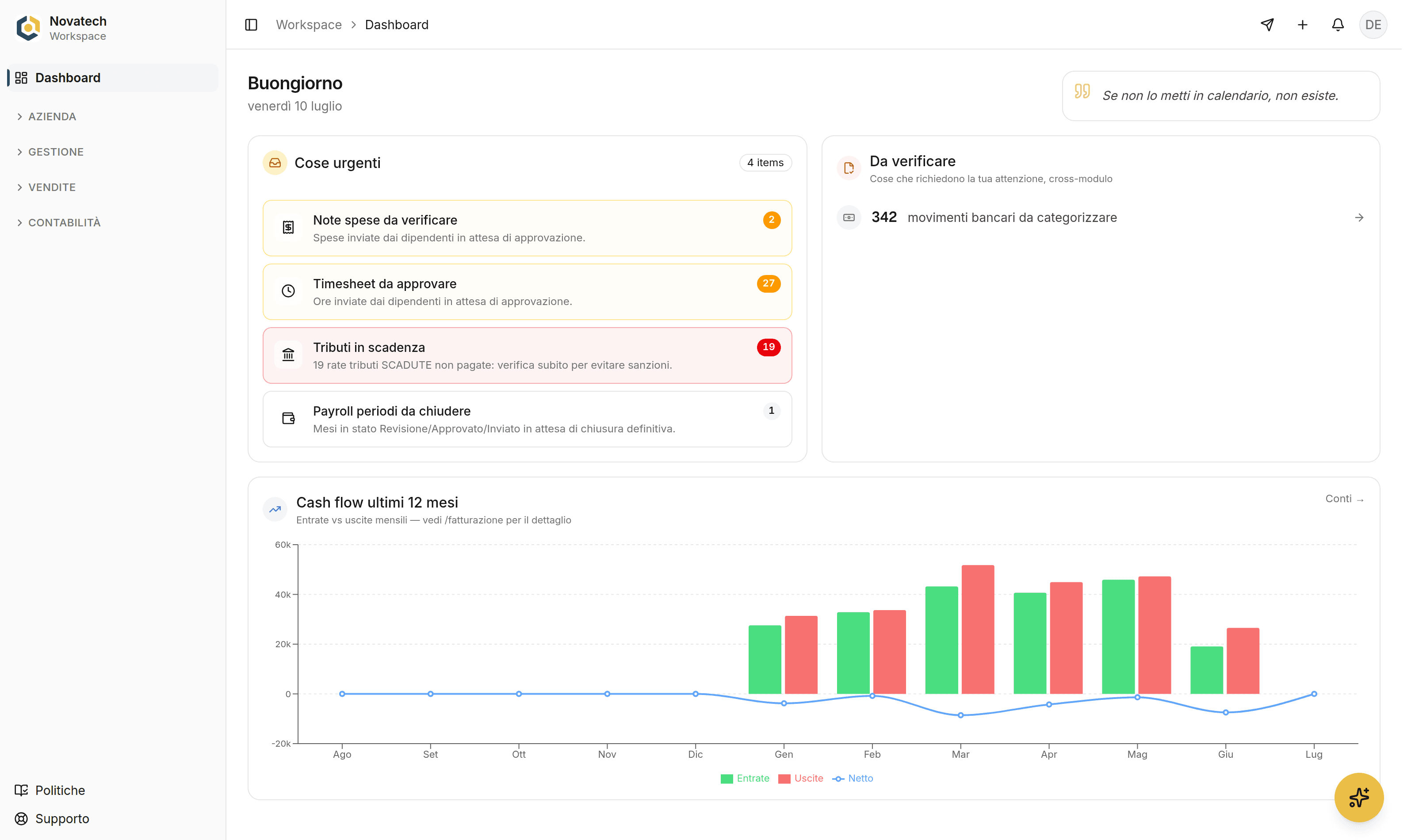
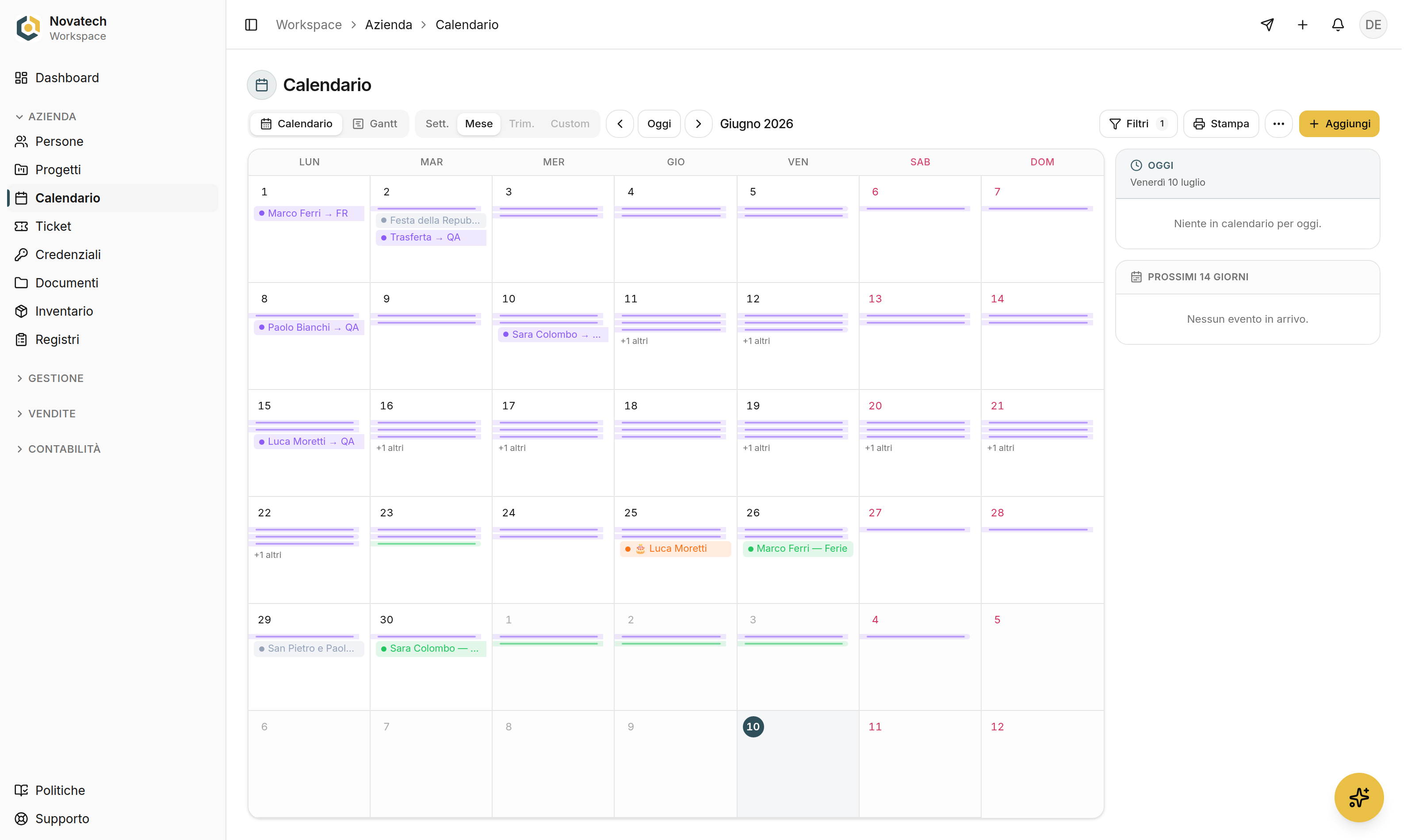
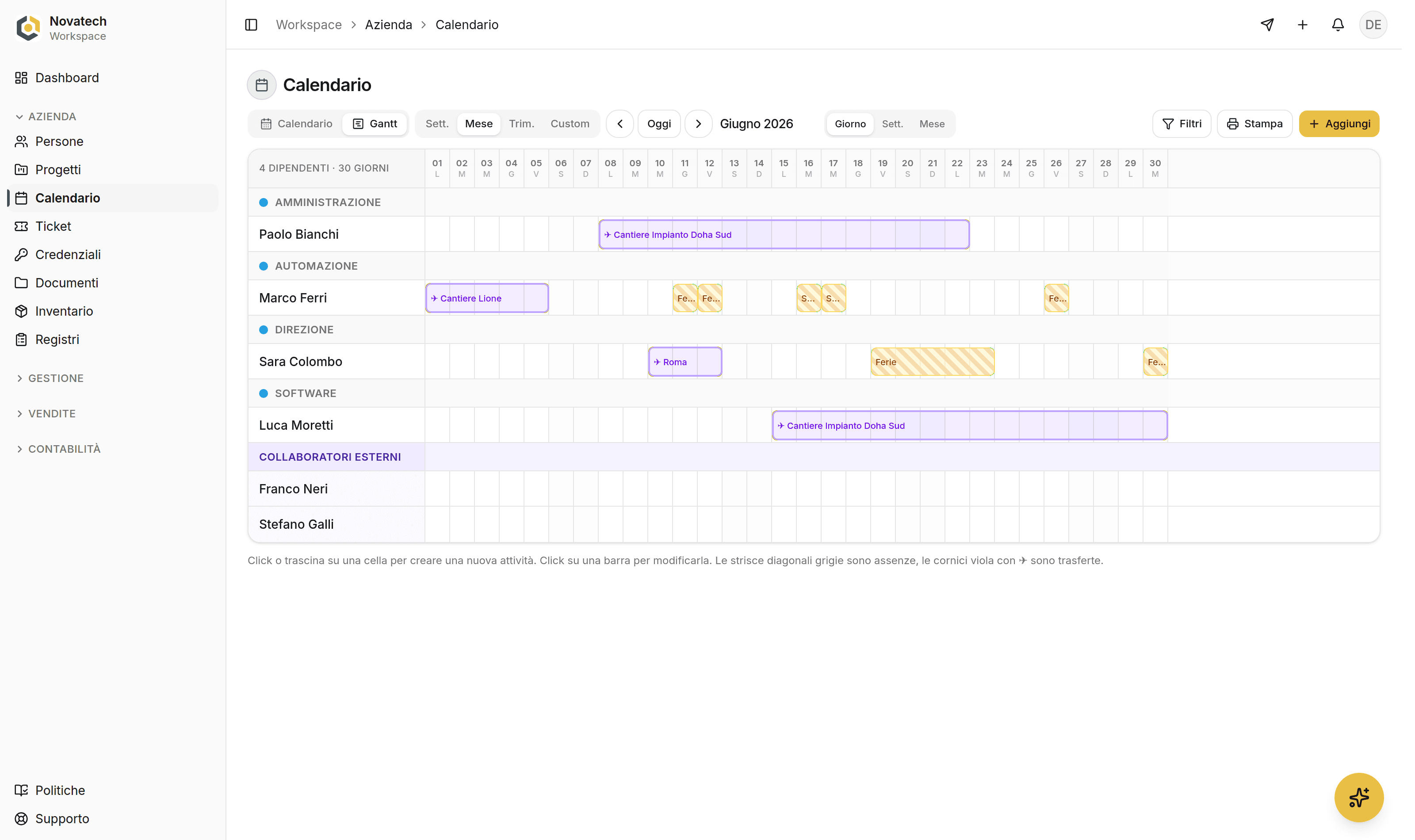
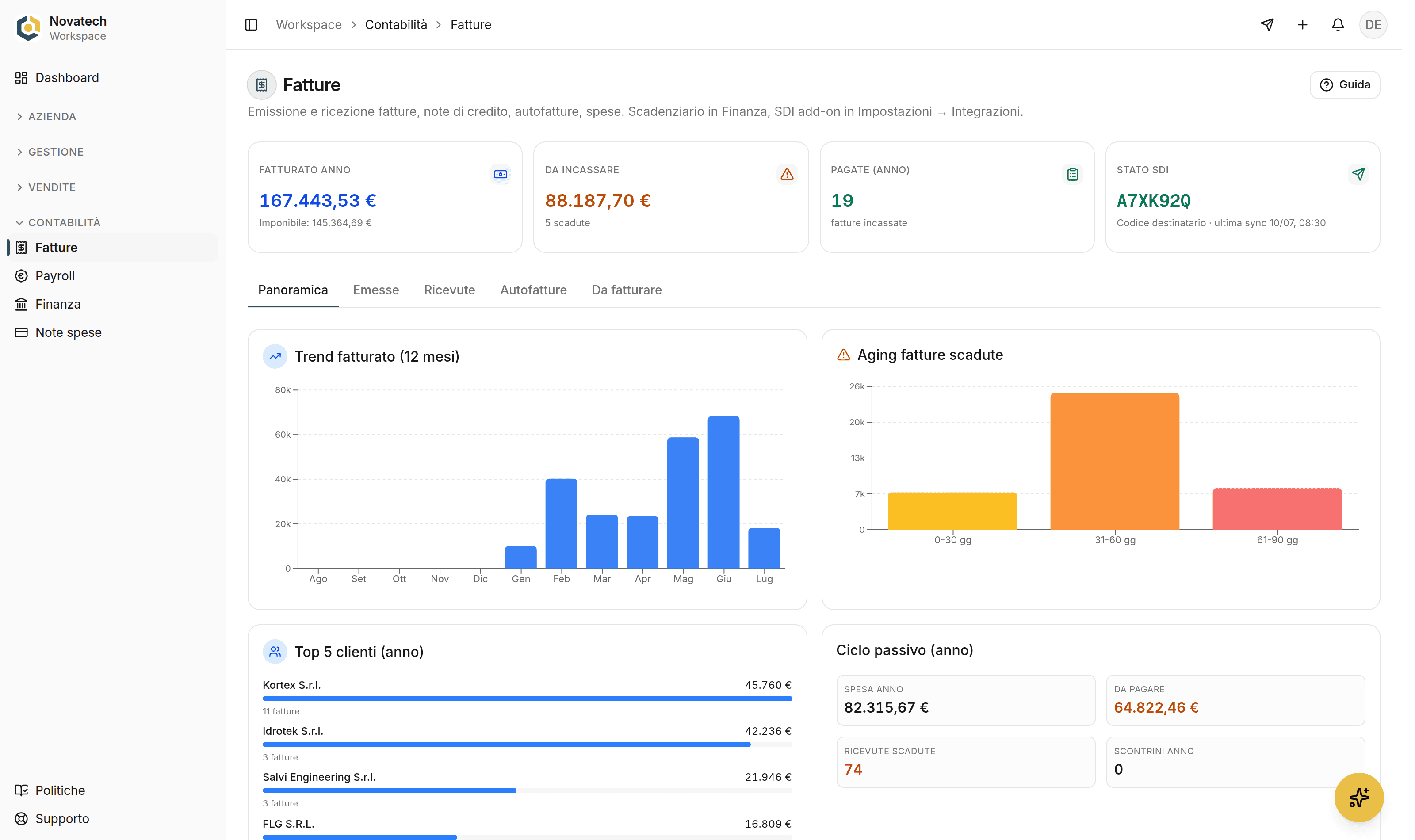
Got a problem worth solving?
Write me what you need to build, even in two lines. I answer personally, usually within one working day.
Tell me about your project